Acting Techniques Explained: Stanislavski, Meisner, Method and More
From Stanislavski’s system to Meisner’s repetition and Chekhov’s psychological gesture: the major acting techniques in plain language, what each trains and how to choose one.
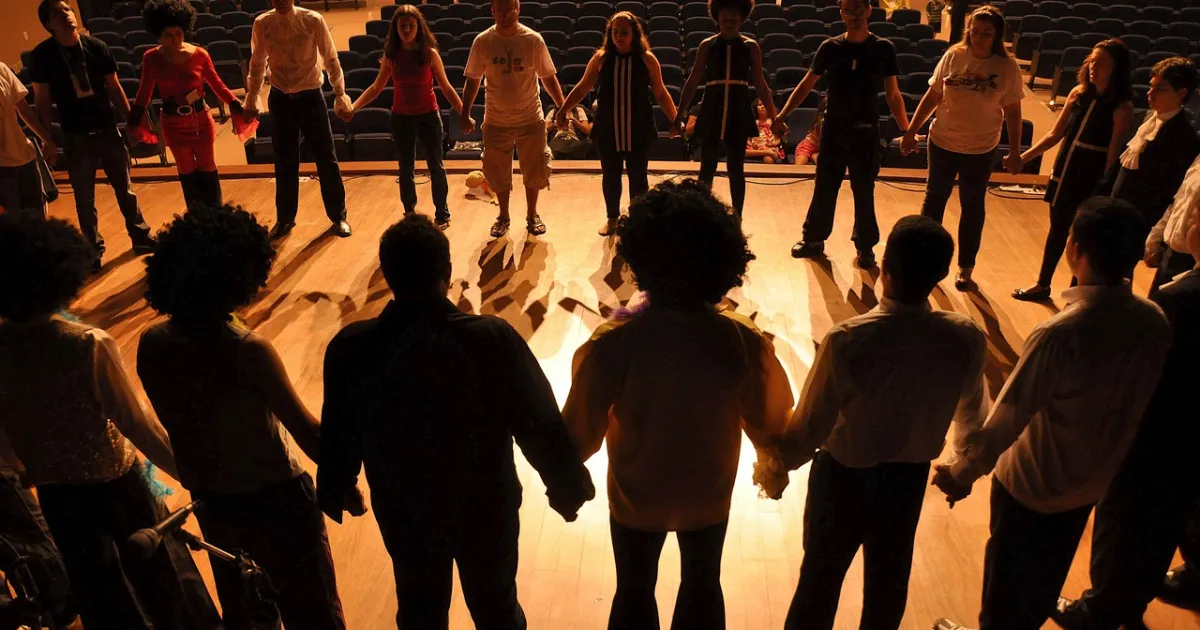
An acting technique is a structured way of getting to truthful behavior on stage or screen. Most modern Western techniques grew out of Konstantin Stanislavski's work at the Moscow Art Theatre in the early 20th century, and then split into schools that emphasize different tools: memory, imagination, listening, the body. None is "the best"; most working actors borrow from several.
The major techniques at a glance
| Technique | Associated with | Core idea |
|---|---|---|
| Stanislavski's system | Konstantin Stanislavski | Objectives, given circumstances, "magic if", through-line |
| The Method | Lee Strasberg | Affective (emotional) memory, sense memory, relaxation |
| Stella Adler technique | Stella Adler | Imagination and the play's circumstances over personal memory |
| Meisner technique | Sanford Meisner | Truthful reaction; the repetition exercise |
| Michael Chekhov technique | Michael Chekhov | Imagination, the body, the psychological gesture |
| Uta Hagen's approach | Uta Hagen | Substitution, object exercises, the "nine questions" |
| Practical Aesthetics | David Mamet, William H. Macy, Atlantic Theater Company | Script analysis into a playable action |
| Viewpoints | Mary Overlie, Anne Bogart | Time and space: tempo, shape, spatial relationship |
| Laban movement | Rudolf Laban | Efforts: weight, time, space, flow |
| Suzuki method | Tadashi Suzuki | Physical discipline, grounding, the lower body |
Stanislavski: where it starts
Stanislavski asked actors to know their character's objective in each scene, the given circumstances of the play and the obstacles in their way, and to ask "what would I do if I were in this situation?" His later work moved towards physical action as a route to emotion.
The Method
Lee Strasberg, at the Actors Studio in New York, developed exercises that use the actor's own sensory and emotional memories. It shaped generations of American film acting. Critics, including Adler and Meisner, felt it could turn actors inward and away from the scene partner.
Meisner
Sanford Meisner defined acting as "living truthfully under imaginary circumstances". His repetition exercise, two actors repeating and responding to what they observe in each other, trains listening and spontaneous response. It is popular for screen work.
Adler and Chekhov: imagination first
Stella Adler taught actors to draw on imagination and on the world of the play rather than private memories. Michael Chekhov used imagination and physical work, such as the psychological gesture, a single whole-body movement that captures a character's desire, to reach emotion indirectly.
Physical and ensemble approaches
Viewpoints, Laban and Suzuki train the body and the actor's awareness of time and space. They are common in drama schools and in devised and ensemble theater, and help any actor who feels stuck in the head.
How to choose
- Mostly screen auditions? Meisner and Practical Aesthetics give quick, playable tools.
- Classical or stage work? Stanislavski-based training plus voice and movement.
- Emotionally blocked? Chekhov or physical approaches can open things up more safely than memory work.
- Analytical? Practical Aesthetics or Hagen's questions.
The best test is a trial class. Online options are covered in online acting classes.
Questions
What are the main acting techniques?
Stanislavski’s system, the Method, the Adler, Meisner and Chekhov techniques, Uta Hagen’s approach, Practical Aesthetics and physical approaches such as Viewpoints, Laban and Suzuki.
What is the best acting technique for beginners?
Many teachers start beginners with Stanislavski-based basics or Meisner, which trains listening and truthful response.
What is the difference between Method acting and Meisner?
The Method draws on the actor’s own memories; Meisner focuses on truthful reactions to the scene partner in the moment.
Sources
Next scene
Monologues by Type: 30-Second, Villain, College and Female Monologues (With Originals)
Three original monologues for specific audition needs: a 30-second piece, a villain and a college-audition speech, with tips for each. Free to use; credit The …
Short and Comedic Monologues for Auditions (With 3 Originals)
When the brief says "one minute, comedic", you need a tight piece with a clear turn. Three original monologues written for this site, free to use, and how to m…
Shakespeare Monologues for Auditions: 10 Strong Choices and How to Prepare
Classical auditions usually ask for Shakespeare. Ten speeches that work, for women and men, with where to find them, and how to handle the verse so it sounds l…