Shakespeare Monologues for Auditions: 10 Strong Choices and How to Prepare
Classical auditions usually ask for Shakespeare. Ten speeches that work, for women and men, with where to find them, and how to handle the verse so it sounds like a person talking.
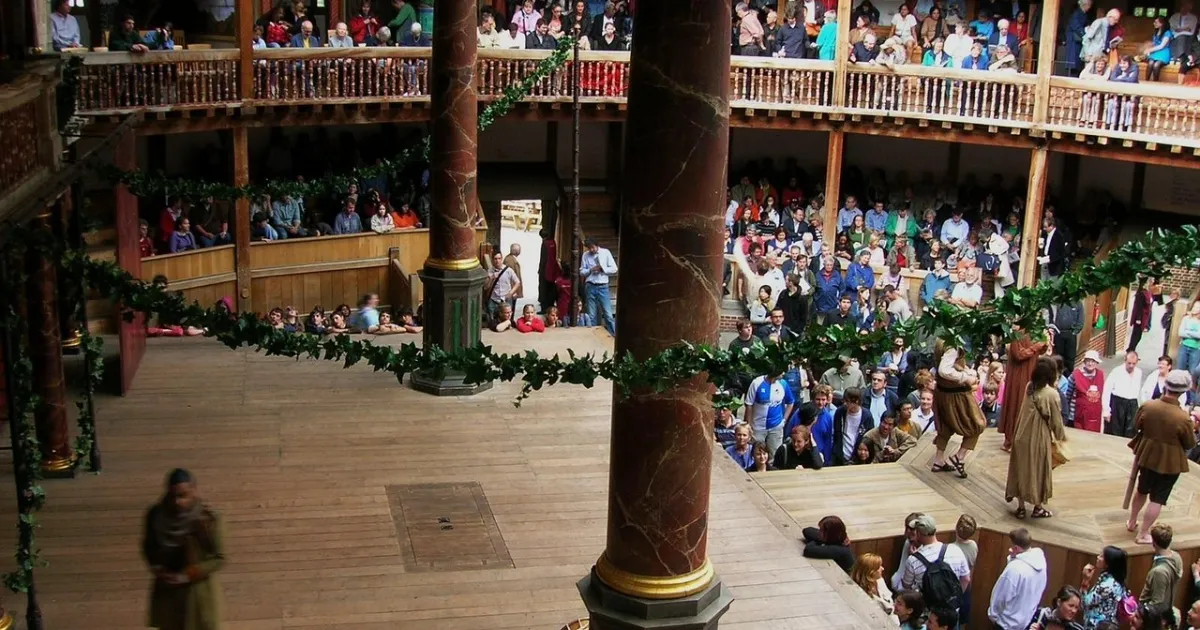
Drama schools and classical theaters often ask for a Shakespeare monologue, usually alongside a contemporary one. The best choice is a speech where the character is actively trying to work something out or win someone over, in a role you could be cast in now.
Ten choices
| Character | Play, act and scene | Tone | Opening words |
|---|---|---|---|
| Viola | Twelfth Night, 2.2 | Comic, puzzled | "I left no ring with her..." |
| Helena | A Midsummer Night's Dream, 1.1 | Comic, heartfelt | "How happy some o'er other some can be!" |
| Juliet | Romeo and Juliet, 2.2 | Romantic | "Thou know'st the mask of night is on my face..." |
| Rosalind | As You Like It, 3.5 | Comic, sharp | "And why, I pray you?..." |
| Lady Anne | Richard III, 1.2 | Dramatic, grieving | "Set down, set down your honourable load..." |
| Benedick | Much Ado About Nothing, 2.3 | Comic | "I do much wonder that one man..." |
| Launce | The Two Gentlemen of Verona, 2.3 | Clown, comic | "Nay, 'twill be this hour ere I have done weeping..." |
| Richard | Richard III, 1.1 | Dramatic, villain | "Now is the winter of our discontent..." |
| Hamlet | Hamlet, 2.2 | Dramatic | "O, what a rogue and peasant slave am I!" |
| Iago | Othello, 1.3 | Dramatic, scheming | "Thus do I ever make my fool my purse..." |
Some of these, like Richard's and Hamlet's, are among the most performed speeches in the world. They can work, but the panel will compare you with many others; less familiar speeches often stand out.
How to prepare a Shakespeare monologue
- Read the whole play and know exactly what has just happened.
- Paraphrase it line by line in your own words, so you know what every word means.
- Find the action: what does the character want by the end of the speech?
- Scan the verse: most lines are iambic pentameter, ten syllables of da-DUM. Irregular lines often signal emotion.
- Use the punctuation and line endings as clues to thought changes, but do not stop at every line end.
- Know who you speak to: another character, the audience, or yourself in soliloquy.
- Cut carefully to the time limit, keeping the argument and the turn.
In the room
- Introduce it simply: character, play.
- Speak it as thought, not as poetry: the language should sound like it is occurring to you now.
- Keep it under the time limit, commonly about two minutes.
Contemporary choices and general advice are in monologues for auditions; short pieces in short and comedic monologues.
Questions
What is a good Shakespeare monologue for an audition?
One in your casting range where the character actively works something out, such as Viola in Twelfth Night 2.2 or Benedick in Much Ado About Nothing 2.3.
How long should a Shakespeare audition monologue be?
Usually under two minutes; many panels prefer around 90 seconds.
Should I avoid famous Shakespeare monologues?
Not necessarily, but very famous speeches invite comparison; less familiar ones often stand out.
Sources
Next scene
Monologues by Type: 30-Second, Villain, College and Female Monologues (With Originals)
Three original monologues for specific audition needs: a 30-second piece, a villain and a college-audition speech, with tips for each. Free to use; credit The …
Short and Comedic Monologues for Auditions (With 3 Originals)
When the brief says "one minute, comedic", you need a tight piece with a clear turn. Three original monologues written for this site, free to use, and how to m…

Acting Techniques Explained: Stanislavski, Meisner, Method and More
From Stanislavski’s system to Meisner’s repetition and Chekhov’s psychological gesture: the major acting techniques in plain language, what each trains and how…